
 0
0
 0
0
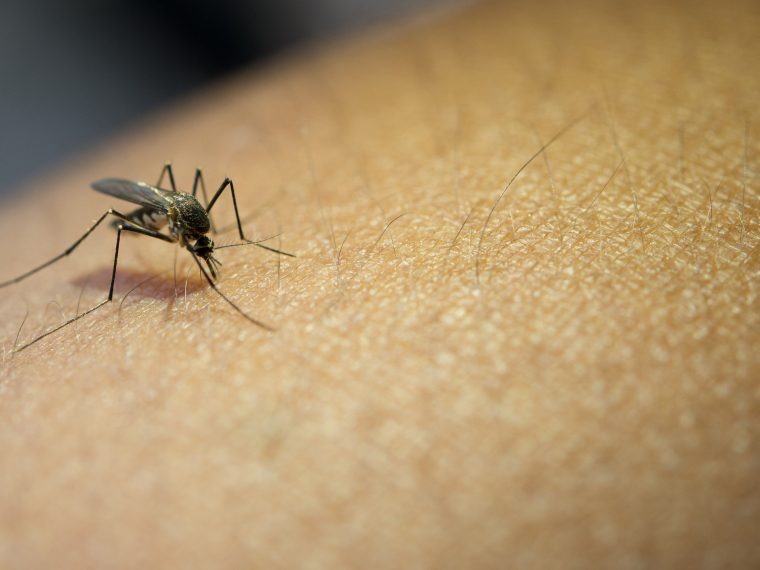
Dengue is a mosquito-borne viral infection that affects millions of people each year, especially in tropical and subtropical regions. Because its early symptoms often resemble common illnesses like flu or viral fever, dengue is frequently overlooked in its initial stages. This delay can be dangerous, as early recognition plays a critical role in proper monitoring and medical care. Dengue is transmitted through the bite of infected Aedes mosquitoes, which are most active during the daytime. While many cases remain mild, others can progress into more severe forms that require immediate medical attention. Understanding the early signs of dengue allows individuals to seek help sooner, reduce complications, and prevent the spread of infection. Symptoms typically appear four to ten days after a mosquito bite and can develop rapidly. This guide explains the early warning signs of dengue, how they usually present, and which symptoms should never be ignored when dengue is suspected.
Sudden High Fever That Appears Without Warning
One of the earliest and most noticeable signs of dengue is a sudden, high fever. Unlike common fevers that rise gradually, dengue fever often appears abruptly and can reach temperatures of 39°C to 40°C (102°F to 104°F) within hours. This sudden onset is a key characteristic that separates dengue from many mild viral infections.
The fever is usually persistent and may last for several days. During this time, individuals often feel extremely weak and uncomfortable. Fever reducers may lower the temperature temporarily, but the fever often returns. This pattern can confuse people into thinking the illness is resolving when it is not.
In areas where dengue is common, a sudden unexplained fever should always be taken seriously, especially if mosquito exposure is likely. Fever may also be accompanied by chills, sweating, and general discomfort.
In many health and beauty infectious disease awareness discussions, sudden high fever is considered the strongest early indicator of dengue. When fever appears abruptly and intensely, medical evaluation becomes especially important.
Severe Headache and Pain Behind the Eyes
Another classic early sign of dengue is an intense headache, often centered in the forehead area. What makes this headache different is the pressure-like pain felt behind the eyes, which may worsen with eye movement or exposure to bright light.
This eye pain can be uncomfortable and persistent, making it difficult to focus or rest properly. Many people describe it as deep and throbbing rather than sharp. Combined with fever, this symptom is often one of the earliest clues that the illness may be dengue rather than a simple viral infection.
The headache may also be accompanied by dizziness or sensitivity to light. These symptoms can increase fatigue and make daily activities difficult even in the early stages of infection.
In reliable everyday health information, eye-related headache pain is frequently highlighted because it is relatively specific to dengue. When severe headache and eye pain appear together with fever, dengue should be considered, especially in mosquito-prone regions.
Muscle, Bone, and Joint Pain That Feels Unusually Intense
Dengue is sometimes referred to as “breakbone fever” because of the severe muscle, bone, and joint pain it causes. This pain can begin early in the illness and may feel far more intense than typical body aches associated with flu or colds.
People often report pain in the arms, legs, back, and joints. Even small movements can feel uncomfortable, and stiffness may develop quickly. The pain can be exhausting and may worsen during periods of fever.
Unlike normal muscle soreness, dengue-related pain often feels deep and widespread. Rest may not fully relieve discomfort, and pain can shift from one area of the body to another.
In many health and beauty infectious disease awareness materials, intense body pain is considered a defining early symptom. When severe aches appear suddenly alongside fever and headache, dengue should be suspected rather than dismissed as a routine illness.
Nausea, Vomiting, and Loss of Appetite
Digestive symptoms often appear early in dengue infection and can worsen as the illness progresses. Nausea, vomiting, and loss of appetite are common and can contribute to dehydration, which is particularly dangerous in dengue patients.
Vomiting may occur occasionally or repeatedly, especially during fever spikes. Some individuals also experience abdominal discomfort or pain. These symptoms can make it difficult to eat or drink enough fluids, increasing weakness and fatigue.
Loss of appetite is common even in mild cases. Food may seem unappealing, and nausea may be triggered by smells or movement. Maintaining hydration becomes especially important during this stage.
In reliable everyday health information, digestive symptoms are emphasized because they increase the risk of dehydration. When nausea and vomiting accompany fever and body pain, medical monitoring is strongly advised.
Skin Rash That Appears a Few Days After Fever Starts
A skin rash is a common sign of dengue, although it usually appears a few days after the fever begins rather than immediately. The rash may look like small red spots or patches and often starts on the chest or trunk before spreading to the arms, legs, and face.
Some rashes appear flat, while others may be slightly raised. In some cases, the skin may itch mildly, but intense itching is less common in early stages. The rash may fade and reappear, which can confuse patients.
Not everyone with dengue develops a visible rash, but when it does appear, it can help confirm suspicion of dengue infection. The rash often coincides with changes in fever pattern.
In many health and beauty infectious disease awareness guides, rash development is described as a supportive sign rather than a diagnostic one. Its presence alongside other symptoms strengthens the likelihood of dengue.
Warning Signs That Require Immediate Medical Attention
While early symptoms may seem manageable, certain warning signs signal a more severe form of dengue and require urgent medical care. These signs may appear as the fever starts to decrease, which can be misleading.
Warning symptoms include severe abdominal pain, persistent vomiting, bleeding gums or nose, blood in vomit or stool, extreme fatigue, and difficulty breathing. Sudden restlessness or drowsiness is also concerning.
A drop in platelet count can occur during this phase, increasing the risk of bleeding complications. This is why monitoring by healthcare professionals is essential, even if fever begins to subside.
In reliable everyday health information, these warning signs are emphasized because early intervention can be life-saving. Anyone experiencing these symptoms should seek immediate medical attention rather than attempting home treatment.
Conclusion
Early signs of dengue often resemble common viral illnesses, which is why the infection can be easily overlooked during its initial stages. Sudden high fever, severe headache with eye pain, intense muscle and joint aches, nausea, vomiting, and loss of appetite are among the most common early symptoms. A skin rash may appear a few days after the fever begins, further supporting suspicion of dengue. Because dengue can worsen rapidly, recognizing these early signs is critical for timely medical evaluation and monitoring. Warning symptoms such as abdominal pain, bleeding, persistent vomiting, or extreme fatigue require immediate medical attention, even if the fever appears to improve. While there is no specific cure for dengue, early detection, proper hydration, and medical supervision significantly reduce the risk of complications. Paying attention to symptoms and acting quickly can make a major difference in recovery and overall health outcomes.