 0
0
 0
0
Asian-style home design is loved for its calm atmosphere, clean lines, and timeless sense of balance. Instead of focusing on clutter or excessive decoration, this design approach emphasizes simplicity, natural materials, and spaces that feel peaceful to live in. Asian-inspired interiors can take many forms, from Japanese minimalism and Zen-inspired layouts to Chinese elegance, Korean warmth, and Southeast Asian tropical comfort. While each style has its own identity, they often share common design principles such as harmony, nature connection, and intentional living. Many homeowners are drawn to Asian-style design because it makes a home feel more spacious, organized, and relaxing. It also blends beautifully with modern interiors, making it easy to apply even in apartments or contemporary houses. This guide explores Asian-style home design in a practical way, covering key elements such as colors, materials, furniture, décor, and layout ideas. The goal is to help homeowners create an Asian-inspired space that feels authentic, comfortable, and visually stunning without becoming overly themed.
The Core Principle: Balance, Harmony, and Calm Living
Asian-style interiors are not just about décor—they are built around a lifestyle philosophy. Many Asian design traditions focus on balance, calmness, and harmony between people and their environment. This is why Asian-inspired homes often feel peaceful even when they are not large or expensive.
One key concept is “less but better.” Instead of filling a space with decorations, Asian-style design encourages choosing fewer items with purpose. Every piece has a role, whether it’s functional, emotional, or aesthetic. This approach creates a clean, uncluttered environment that feels relaxing to live in.
Balance also shows up in layout. Furniture is often arranged to support flow and openness. Rooms are designed to feel grounded, with symmetry or gentle visual balance rather than chaotic placement. Many Asian homes also focus on natural light, soft textures, and calm energy.
In many home and garden asian interior design inspiration sources, this principle is considered the foundation. Without balance and harmony, the design can easily become “Asian-themed” instead of truly Asian-inspired.
Color Palettes: Neutral, Earthy, and Nature-Based Tones
Asian-style home design often uses colors inspired by nature. Neutral tones such as white, beige, soft gray, and warm cream are common because they create a calm background. These colors also make rooms feel brighter, more open, and more peaceful.
Earthy tones are also popular. Shades like warm brown, charcoal, clay, and deep wood tones add grounding and depth. Many Asian interiors include darker accents to create contrast, such as black trim, dark wood furniture, or stone textures.
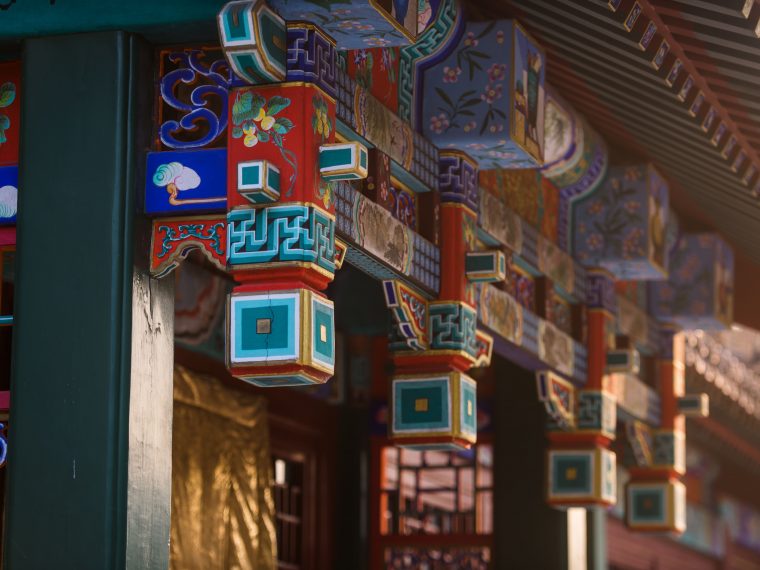
Accent colors are used carefully. In Japanese-inspired interiors, accents are usually subtle—muted greens, soft blues, or natural wood tones. In Chinese-inspired interiors, accents may include deeper reds, gold touches, or rich lacquered finishes. Southeast Asian-inspired homes may include tropical greens, bamboo tones, and warm natural hues.
In many stylish home living ideas, Asian color palettes are described as timeless because they avoid trend-heavy colors. Instead, they create a calm foundation that can stay beautiful for many years.
Natural Materials: Wood, Bamboo, Stone, and Linen
Natural materials are one of the most recognizable features of Asian-style design. Wood is especially important. Many Asian interiors use warm wood tones for floors, furniture, and wall details. Wood creates a natural, calming feeling and adds richness without needing heavy decoration.
Bamboo and rattan are also common, especially in Southeast Asian-inspired design. These materials bring texture and lightness, making rooms feel breathable and relaxed. Stone is another key material, often used in entryways, bathrooms, or decorative features like small indoor fountains.
Textiles matter too. Asian-inspired interiors often use linen, cotton, and other natural fabrics rather than shiny synthetic materials. Curtains are usually light and airy, and bedding often looks simple and soft.
In many home and garden asian interior design inspiration guides, material choice is seen as what makes the style feel authentic. Even if the furniture is modern, natural textures can instantly create an Asian-inspired atmosphere.
Furniture Style: Low Profiles, Clean Lines, and Comfort
Asian-inspired furniture often has a low-profile look. This is especially true in Japanese design, where low tables, floor seating, and simple frames are common. Low furniture creates a grounded feeling and makes rooms feel more spacious.
Clean lines are another major feature. Furniture is usually simple, with minimal ornamentation. Instead of heavy carved details, the focus is on shape, craftsmanship, and quality materials. This simplicity helps the home feel calm and uncluttered.
However, Asian-style design is not uncomfortable. Many modern Asian-inspired homes blend minimal furniture with cozy touches such as soft cushions, warm lighting, and layered textiles. Korean-inspired interiors, for example, often combine clean design with warmth and softness.
In many stylish home living ideas, the recommendation is to choose furniture that feels functional and calming rather than overly decorative. The goal is to create a space that supports relaxation and daily life, not just visual beauty.
Décor and Details: Art, Screens, and Subtle Cultural Elements
Asian-style décor works best when it feels intentional rather than excessive. A common mistake is adding too many “Asian-themed” items, which can make a home feel like a restaurant or souvenir shop. The most elegant Asian-inspired homes use décor sparingly.
Wall art is often simple. Ink paintings, nature photography, minimalist prints, or calligraphy-inspired artwork are common. Decorative screens are another classic element. Shoji-style screens or wooden room dividers can add privacy while also serving as beautiful design features.
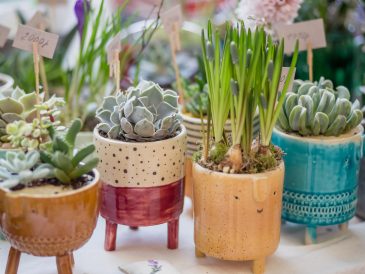
Plants also play a major role. Bamboo plants, bonsai trees, orchids, and indoor greenery help bring nature into the home. In Southeast Asian-inspired spaces, larger tropical plants can create a lush atmosphere.
In many home and garden asian interior design inspiration sources, the best décor advice is to keep it subtle. A few carefully chosen cultural elements feel sophisticated and respectful, while too many can feel like decoration without meaning.
Layout and Lighting: Open Space, Soft Light, and Peaceful Flow
Asian-style home design often emphasizes open layouts and smooth flow between spaces. Rooms are designed to feel breathable, with fewer barriers and less visual clutter. Even in small homes, this can be achieved by using simple furniture and smart storage.
Lighting is also essential. Harsh lighting can ruin the calm mood. Asian-inspired interiors often use soft, warm lighting, including floor lamps, paper lanterns, and indirect lighting. Natural light is also highly valued, and window treatments are often light and minimal to allow sunlight in.
Many Asian interiors also use layered lighting. Instead of relying only on ceiling lights, they use multiple light sources to create warmth and depth. This makes the home feel more peaceful in the evening.
In many stylish home living ideas, lighting and layout are described as the finishing touch. Even with the right furniture and colors, the home won’t feel truly Asian-inspired unless it also feels calm, open, and softly lit.
Conclusion
Asian-style home design is loved because it creates a calm, balanced, and timeless living environment. Instead of focusing on clutter or trend-heavy decoration, it emphasizes harmony, simplicity, and a strong connection to nature. Neutral and earthy color palettes help create a peaceful foundation, while natural materials like wood, bamboo, stone, and linen bring warmth and authenticity. Low-profile furniture, clean lines, and functional layouts support comfort and openness, making spaces feel larger and more relaxing. Subtle décor choices such as minimalist art, screens, and indoor plants add cultural character without making the home feel overly themed. Finally, soft lighting and smooth room flow complete the atmosphere, turning a house into a calming retreat. Asian-inspired interiors work beautifully in both modern and traditional homes, and they can be adapted to fit different lifestyles and budgets. When done thoughtfully, this design style creates a home that feels elegant, peaceful, and genuinely enjoyable to live in every day.