
 0
0
 0
0
Indoor plants have become an essential part of modern home design, not only for their beauty but also for the sense of calm and freshness they bring into living spaces. From small apartments to large houses, indoor plants can transform rooms by adding color, texture, and life. Beyond aesthetics, many people choose indoor plants for their air-purifying qualities, stress-reducing benefits, and ability to create a more welcoming environment. However, not all indoor plants are the same. Some thrive in low light, others need bright sunlight, and some require very little care while others demand more attention. Choosing the right type of indoor plant depends on lifestyle, lighting conditions, and experience level. Beginners may prefer low-maintenance varieties, while plant enthusiasts may enjoy caring for more delicate species. This guide explores different types of indoor plants, explaining their characteristics, care needs, and ideal placement, helping homeowners choose plants that match both their space and daily routine.
Low-Maintenance Indoor Plants for Busy Lifestyles
Low-maintenance plants are ideal for people who want greenery without constant care. These plants are forgiving, adaptable, and can survive occasional missed watering or less-than-perfect conditions. They are especially popular for beginners or busy households.
Snake plants are one of the most popular low-maintenance options. They tolerate low light, require minimal watering, and have upright leaves that suit modern interiors. ZZ plants are another favorite, known for their glossy leaves and ability to thrive in low-light areas with little attention.
Pothos plants are also easy to care for and grow well in hanging baskets or on shelves. They can adapt to different lighting conditions and are very forgiving if watering is inconsistent. These plants are excellent for offices, bedrooms, and living rooms.
In many home and garden indoor plant selection guide resources, low-maintenance plants are recommended as a starting point. They allow people to enjoy indoor greenery without feeling overwhelmed by care routines.
Air-Purifying Indoor Plants That Improve Indoor Atmosphere
Some indoor plants are valued not only for their appearance but also for their ability to improve indoor air quality. While plants should not replace proper ventilation, they can contribute to a fresher-feeling environment.
Peace lilies are well-known air-purifying plants. They thrive in medium to low light and produce elegant white flowers. Spider plants are another popular option, especially for households with children or pets, as they are generally safe and easy to grow.
Areca palms and rubber plants are larger indoor plants that help improve air circulation while making a bold visual statement. These plants are often used in living rooms or open spaces where they can grow freely.
In many everyday home living inspiration discussions, air-purifying plants are praised because they combine function with beauty. They make indoor spaces feel healthier and more comfortable, especially in homes where windows are often closed.
Flowering Indoor Plants for Color and Personality
Flowering indoor plants are perfect for homeowners who want more than just green leaves. These plants add color, elegance, and personality to a room, making them popular choices for decorative spaces.
Orchids are one of the most elegant flowering indoor plants. They require indirect light and careful watering but reward owners with long-lasting blooms. Anthuriums are another colorful option, known for their glossy leaves and bright red, pink, or white flowers.
African violets are ideal for smaller spaces. They bloom well indoors and prefer bright, indirect light. With proper care, they can flower multiple times a year.
In many home and garden indoor plant selection guide references, flowering plants are described as statement pieces. They require slightly more care than non-flowering plants, but the visual impact they bring makes the effort worthwhile.
Foliage Plants That Focus on Texture and Shape
Foliage plants are popular for their leaf shapes, patterns, and textures rather than flowers. These plants often create a strong visual presence and work well in modern and minimalist interiors.
Monstera plants are widely loved for their large, split leaves and tropical feel. They thrive in bright, indirect light and can grow quite large, making them ideal for living rooms. Fiddle leaf figs are another statement foliage plant, known for their tall structure and dramatic leaves.
Calatheas and prayer plants are valued for their patterned leaves that move slightly throughout the day. These plants add visual interest and are often used as accent pieces in bedrooms or offices.
In many everyday home living inspiration guides, foliage plants are recommended for people who want strong design impact without relying on flowers. Their shapes and textures create interest year-round.
Hanging and Trailing Indoor Plants for Small Spaces
Hanging and trailing plants are perfect for homes with limited floor space. They add greenery vertically, making rooms feel fuller without cluttering surfaces.
Pothos, philodendrons, and string of pearls are popular trailing plants. They look great in hanging baskets, wall planters, or placed on high shelves where their vines can cascade down.
These plants are also useful for softening hard edges in a room. Hanging plants near windows, corners, or shelving units adds depth and movement to the space. Many trailing plants are also easy to propagate, making them budget-friendly over time.
In many home and garden indoor plant selection guide articles, hanging plants are praised for their versatility. They are especially useful in apartments, kitchens, and bathrooms where space is limited but style still matters.
Succulents and Cacti for Bright, Sunny Interiors
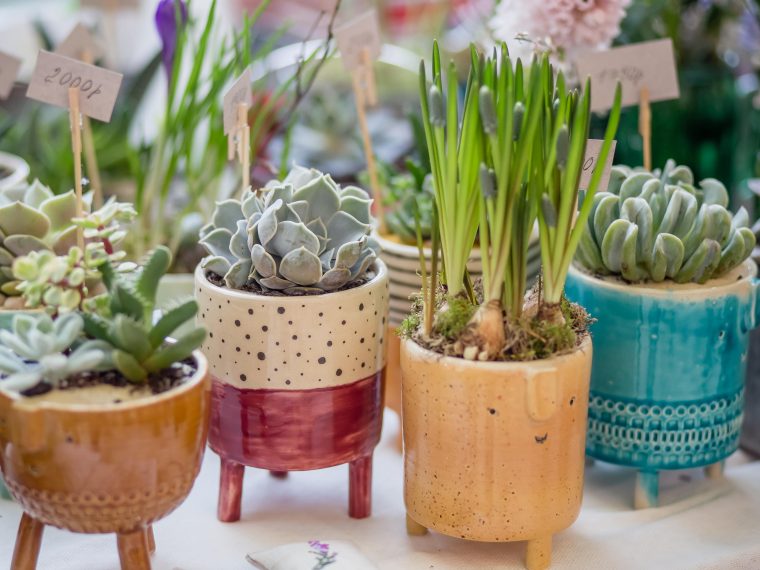
Succulents and cacti are ideal for people who prefer modern aesthetics and minimal watering routines. These plants store water in their leaves or stems, allowing them to survive dry conditions.
Succulents come in many shapes, sizes, and colors, making them popular for decorative arrangements. Aloe vera is a well-known succulent that also has practical uses. Cacti, on the other hand, are extremely low-maintenance and thrive in bright sunlight.
These plants are best placed near sunny windows or areas with strong natural light. Overwatering is the most common mistake with succulents and cacti, so they are best for people who prefer a “less is more” care approach.
In many everyday home living inspiration resources, succulents and cacti are recommended for modern homes because they are stylish, durable, and easy to manage when placed correctly.
Conclusion
Indoor plants come in many forms, each offering different benefits for the home and the people living in it. Low-maintenance plants are perfect for busy lifestyles, while air-purifying varieties help create a fresher indoor atmosphere. Flowering plants add color and elegance, while foliage plants focus on texture and shape for visual impact. Hanging and trailing plants make excellent use of vertical space, and succulents or cacti suit bright, modern interiors with minimal care needs. Choosing the right indoor plant depends on lighting conditions, available space, and personal routine. When matched correctly, indoor plants enhance not only home décor but also comfort and well-being. A thoughtfully selected plant can make a room feel warmer, calmer, and more alive. With so many types of indoor plants available, anyone can find options that fit their home, style, and level of experience, making indoor greenery an accessible and rewarding part of everyday living.